Sea Crab Embroidery: A Designer's Practical Review
As a designer who has spent years curating digital embroidery files for both personal projects and client work, I approach every new asset with a critical eye. The market is flooded with generic patterns, so finding a piece that truly elevates a handmade product requires careful inspection. Today, I am evaluating the Sea Crab Embroidery design to determine if it holds up under the pressure of real-world application. Whether you are an Etsy seller building a summer collection or a hobbyist looking for the perfect personalized gift, understanding how this design behaves on fabric is crucial before you commit your time and thread.
First Impressions: Mood and Visual Personality
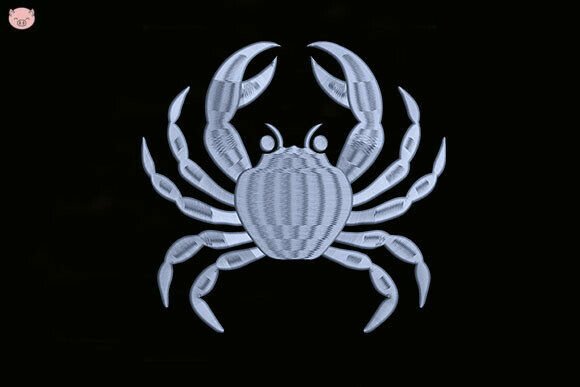
When I first loaded the Sea Crab Embroidery into my editing software, the immediate impression was one of playful elegance. Unlike many sea-themed designs that lean too heavily into cartoonish exaggeration, this piece strikes a balance between whimsy and structure. The shape suggests a creature that is ready to scuttle across a tote bag design or anchor itself proudly on a kitchen towel. The layout feels balanced, avoiding the common pitfall of being top-heavy or lopsided, which can cause registration issues during stitching.
The visual personality is distinct enough to stand out as a focal point but subtle enough to complement other elements in a larger composition. It fits perfectly within the broader category of Fish and marine life motifs without feeling like a generic clip-art afterthought. For a craft business owner, this kind of visual clarity is essential; customers need to instantly recognize the subject matter from a distance, whether they are browsing a physical booth at a craft fair or scrolling through a digital storefront.
Real-World Application: From Concept to Stitch
To truly understand the value of this machine embroidery design, I visualized a specific project: a custom organic cotton tote bag for a boutique beachwear shop. In this scenario, the Sea Crab Embroidery would be placed near the bottom corner, acting as a charming signature rather than an overwhelming graphic. The design's lines appear robust enough to handle the slight tension of canvas fabric without losing definition.
I also considered its potential for sweatshirt embroidery. On a textured fleece background, the contrast provided by the crab's shell details could create a tactile, high-end feel. If you are planning to use this for custom apparel, the design seems versatile enough to scale. However, scaling is where many designers make mistakes. While the core shape is strong, reducing it too much for a cap or a small patch might obscure the finer claws and legs. For a baby embroidery project, such as a onesie or a nursery pillow cover, the friendly nature of the crab makes it an excellent choice, provided the stitch density is appropriate for delicate fabrics.
For those selling commercial embroidery assets, this design offers a solid foundation for creating printable mockups that sell the finished vision. The clean lines translate well into digital previews, helping potential buyers visualize the final result before purchase. This level of professionalism builds customer trust and enhances the perceived value of your brand.
Navigating Challenges: Where Caution is Needed
Despite its strengths, no embroidery file is a magic bullet. There are specific scenarios where the Sea Crab Embroidery requires extra attention. First, consider the fabric texture. On highly textured materials like heavy denim or thick wool, the intricate details of the crab's legs might get lost in the weave. You may need to simplify the design or increase the hoop size slightly to ensure the machine captures every nuance.
Stitch density is another critical factor. If the design relies heavily on fill stitch in the body of the crab, using it on thin or stretchy fabric like jersey knit could lead to puckering. In these cases, a heavy-duty stabilizer is non-negotiable. Similarly, if you plan to embroider on dark fabric, the default thread colors might not provide enough contrast. You will likely need to adjust the color palette to ensure the crab pops against the background, perhaps opting for bright whites or metallics for the highlights.
Be cautious when using this design on curved surfaces like hats. The natural curvature of a cap can distort the straight lines of the crab's claws if the design is not properly mapped. Additionally, avoid placing the design in areas prone to excessive friction, such as the cuff of a sleeve, unless you are certain the running stitch and satin edges are dense enough to withstand frequent washing. Durability is key for any finished product intended for daily use.
Designer Notes for Professional Results
Before committing to a full production run or a client order, I always recommend a rigorous testing phase. Here are my practical notes for working with Sea Crab Embroidery:
- Test on Scrap Fabric: Never skip this step. Run the design on a scrap piece of the exact fabric you intend to use to check for puckering, thread breaks, and alignment.
- Check Thread Contrast: Ensure the chosen thread colors stand out clearly. A muddy crab loses its charm. Compare light and dark fabric backgrounds to see how the design adapts.
- Verify Hoop Size: Confirm that your hoop accommodates the full width of the crab without cropping the claws or antennae. If the design is too large, resize it carefully while maintaining aspect ratio.
- Inspect Small Details: Zoom in on the digital preview to check for tiny gaps in the satin stitch borders. These can look messy if the machine skips stitches.
- Licensing Check: Always confirm the licensing terms. Are you allowed to sell the finished product? Can you sell the digital embroidery file itself? Understanding these boundaries protects your small shop product line from legal issues.
Final Verdict: Is It Worth Your Time?
In conclusion, the Sea Crab Embroidery is a strong contender for anyone looking to add a touch of coastal charm to their portfolio. It brings a unique and professional touch to clothing, accessories, and home décor, living up to its promise of quality. For the Etsy seller or creative entrepreneur, it offers a reliable way to diversify inventory with a theme that appeals to a wide audience, from beach lovers to parents looking for nursery decor.
However, its success ultimately depends on your execution. By respecting the limitations of different fabrics, choosing the right stabilizer, and testing thoroughly, you can transform this design asset into a standout item. Whether it ends up on a holiday gift, a personalized apron, or a branded merchandise line, the Sea Crab Embroidery has the potential to elevate your work from simple crafts to professional-grade artistry. Just remember to treat it with the care and technical precision it deserves.