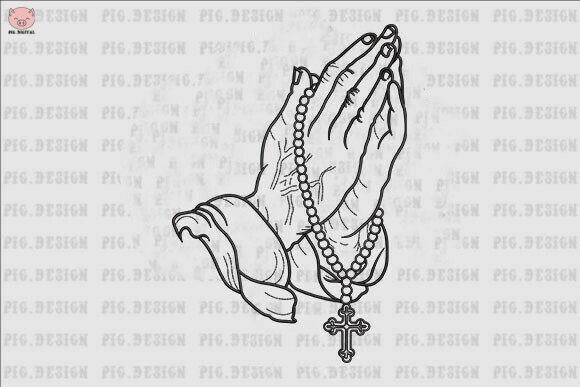
Praying Hands Embroidery Design Review
As a designer who has spent years navigating the delicate balance between artistic vision and machine limitations, I approach every new machine embroidery design with a critical eye. When I first opened the file for the Praying Hands Embroidery Design, my immediate goal was to determine if this piece could transition from a digital preview to a high-quality finished product that commands respect on a shelf or in a boutique. This is not just about stitching; it is about how the motif communicates reverence, comfort, and craftsmanship to the end user.
The First Impression: Mood and Visual Weight
The visual personality of the Praying Hands Embroidery Design is immediately grounding. In the realm of Religion and spiritual motifs, many designs suffer from being either too cartoonish or overly ornate, losing their emotional resonance. This particular design strikes a middle ground. The lines are clean, suggesting a layout that relies heavily on satin stitch for definition and fill stitch for depth. It feels substantial without being heavy-handed.
When I visualize this as a tote bag design or a subtle accent on a linen apron, the mood shifts instantly from casual to contemplative. For an Etsy seller or a small shop owner curating a collection of faith-based items, this design offers a level of professionalism that generic clip art simply cannot match. It suggests that the creator cares about the nuance of the image, which translates directly to customer trust. The shape is organic, flowing naturally, which is crucial when working with curved surfaces or soft fabrics where rigid geometric shapes often look out of place.
Real-World Application: From Sweatshirts to Patches
Let's talk about how this actually performs in a real project scenario. Imagine you are preparing a custom order for a church retreat or a personalized gift for a grandmother. You decide to use the Praying Hands Embroidery Design on a heavyweight cotton sweatshirt. Here, the design's structure becomes its greatest asset. The density of the stitches appears balanced enough to sit well on a textured fabric without puckering, provided you use the correct stabilizer.
I have found that motifs like this work exceptionally well as an embroidered patch. If you were creating a line of patches for hats or denim jackets, this design holds up beautifully. The contours of the hands are distinct enough that they remain recognizable even at smaller scales, though I would advise caution if shrinking it down too far. For a baby embroidery project, such as a christening gown or a nursery pillow cover, the softness of the motif makes it ideal. It avoids the harshness sometimes associated with religious iconography, making it accessible for family heirlooms.
For those running a craft business, consider using this as a focal point on kitchen towels or table runners. A holiday embroidery project featuring this design could serve as a meaningful Christmas or Easter gift. The key is understanding that this is a statement piece. It demands attention but does so quietly. On a custom apparel item, it elevates the garment from a basic tee to a piece with intention and story.
Navigating Technical Challenges and Fabric Choices
While the design is robust, experienced decorators know that context is everything. There are specific situations where the Praying Hands Embroidery Design requires careful handling. First, consider the hoop size. If your hoop is too small, the intricate details of the fingers might get lost or merge together. Always verify the dimensions against your machine's capabilities before committing to a final run.
Fabric texture plays a massive role here. On a smooth canvas or twill, the stitch density will shine. However, on very thin or stretchy fabrics, you must be vigilant. Without proper backing, the weight of the thread can cause the fabric to warp, distorting the prayerful gesture of the hands. Similarly, on dark fabrics, ensure your thread colors offer sufficient contrast. A light grey fill on black fabric might look muddy rather than elegant. Testing the design on scrap fabric first is non-negotiable. Check how the underlay supports the top stitches and whether the edges remain crisp.
Another area for caution is curved surfaces like caps. While the design flows well, the crown of a hat introduces complex tension points. You may need to adjust the pull compensation settings on your machine to prevent the design from looking stretched or distorted. Additionally, if you plan to sell these as commercial embroidery products, remember that frequent washing can wear down delicate running stitch details. Reinforcing areas with higher stitch counts or choosing durable thread types will ensure longevity.
Enhancing Value and Brand Consistency
Using a high-quality digital embroidery file like this one directly impacts the perceived value of your handmade products. In a saturated market, customers are drawn to items that look professionally executed. The Praying Hands Embroidery Design brings a sense of heritage and care that mass-produced prints lack. It signals to the buyer that this is a personalized gift made with skill.
For small shop owners and creative entrepreneurs, consistency is key. If your brand focuses on thoughtful, handcrafted goods, this design aligns perfectly. It can be used across various product lines—from pillow covers to sweatshirt embroidery—creating a cohesive visual identity. When creating printable mockups for your online store, this design stands out clearly, helping potential buyers visualize the final result and increasing engagement.
Practical Designer Notes for Success
- Test Runs: Never skip the test on scrap fabric. Verify the stitch density and check for any gaps in the fill.
- Stabilizer Choice: Use a tear-away stabilizer for stable fabrics and a cut-away for knits to maintain the integrity of the design.
- Color Strategy: Experiment with different thread colors to see how they affect the mood. Gold or cream threads can add a touch of elegance, while muted tones feel more modern.
- Licensing Check: Before selling finished items or the embroidery file itself, confirm the licensing terms. Ensure you have the right to use it for commercial embroidery projects.
- Mockup Comparison: Test the design in both black and white and full color to ensure visibility and clarity in all marketing materials.
In conclusion, the Praying Hands Embroidery Design is a versatile asset for any serious embroiderer. It bridges the gap between traditional symbolism and modern crafting needs. Whether you are a hobbyist creating a special keepsake or a professional decorator building a catalog of design assets, this piece offers the reliability and aesthetic appeal needed to create memorable work. By respecting the technical requirements and applying thoughtful design judgment, you can turn this digital file into a tangible expression of faith and artistry.